

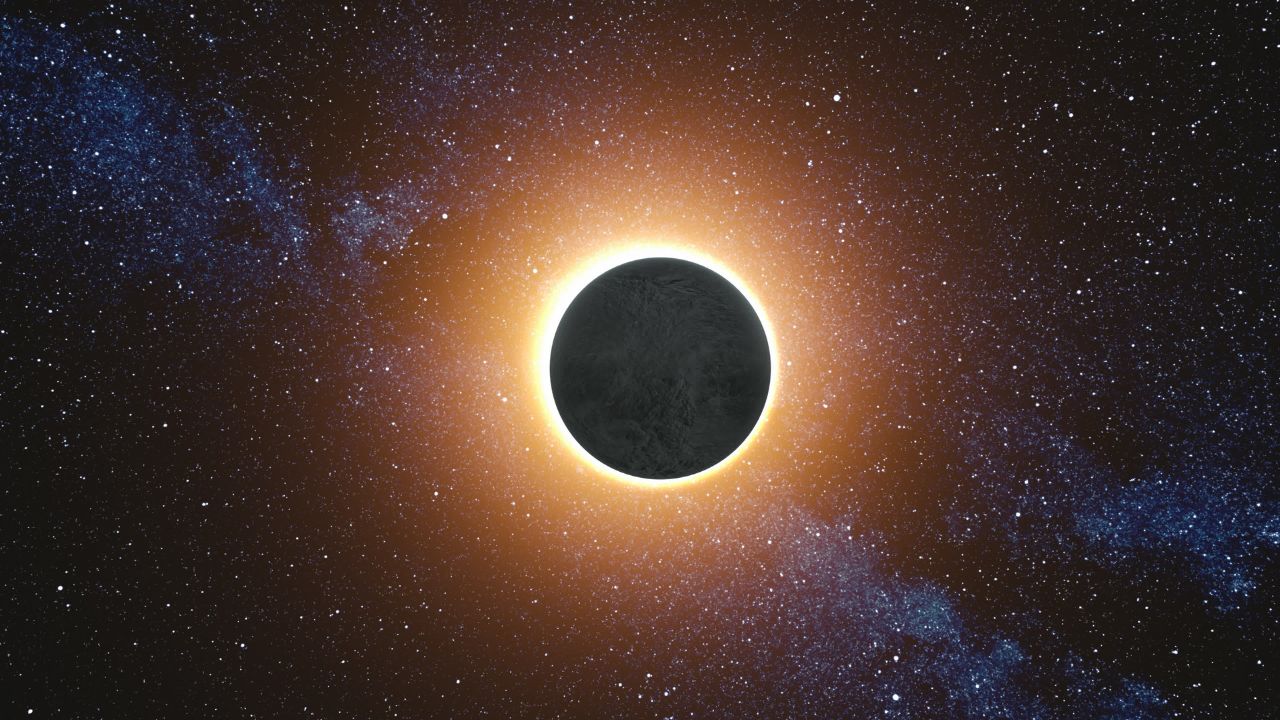
A 2026 solar eclipse will be one of the summer’s major astronomical events. Next 12 August, certain areas of Spain will become prime spots for viewing this phenomenon. A special opportunity to travel by Motorhome and connect with nature beneath one of the most eagerly awaited skies of the year. Read on to find out how to enjoy this experience responsibly with Astrocaravaning.
Solar eclipse 2026: a unique encounter with the sky
A total solar eclipse occurs when the Moon passes between the Earth and the Sun and completely obscures it for a few moments. The sky darkens, the brightness diminishes and the landscape takes on an unusual appearance. This will be the first total eclipse visible from the Iberian Peninsula since 1905.
A 2026 solar eclipse will take place on 12 August. As a result, many people are already looking for open spaces, away from buildings and with a clear view of the horizon.
Travelling by motorhome allows you to organise your getaway with complete freedom. It also makes it easier to access natural surroundings and rural areas from which to observe the night sky without the disturbance of urban lighting.
However, it is advisable to plan your trip in advance. The 2026 solar eclipse will attract numerous astronomy enthusiasts, travellers and families. Overnight camping areas and destinations with the best viewing conditions may see increased visitor numbers.
Astrocaravaning: travelling whilst gazing at the stars
ASEICAR promotes Astrocaravaning, an initiative that combines motorhome tourism with stargazing.
The project showcases some of Spain’s finest skies and promotes a more mindful way of travelling. The idea is to enjoy the surroundings, respect natural areas and discover destinations off the beaten track.
Astrocaravaning invites you to look up and turn every stage of the journey into a unique experience. It’s not just about reaching a spot from which to view the eclipse.
This suggestion ties in with one of the main advantages of caravanning: the ability to tailor each journey to the pace of its passengers.
How to plan a trip to see the 2026 solar eclipse
To enjoy the 2026 solar eclipse To ensure a stress-free journey, it’s advisable to check a few things before setting off.
- Check the location and opening hours. Check which areas will be able to see the eclipse and what time it is expected to occur at your destination.
- Choose an authorised location. Use motorhome areas, campsites or spaces where parking and overnight stays are permitted.
- It arrives early. You’ll avoid last-minute travel and be able to choose a better vantage point.
- Respect the environment. Don’t leave any rubbish behind, keep noise to a minimum and follow the guidelines set out by each local authority or nature reserve.
Good planning will enable you to convert the 2026 solar eclipse into a convenient and secure experience.
 How to safely observe a solar eclipse
You must never look directly at the Sun without proper protection. Ordinary sunglasses, dark-tinted glasses, X-rays or other home remedies are not suitable.
To view the solar eclipse, use only approved eclipse glasses and check that they are in good condition.
Binoculars, telescopes and cameras also require specific solar filters fitted to the front of the instrument. Looking through these devices without protection can cause serious damage to your eyesight.
During the partial phases, protective measures must be maintained at all times. If in doubt, follow the recommendations of official bodies and astronomical societies.
The 2026 solar eclipse and a Motorhome: a different kind of experience
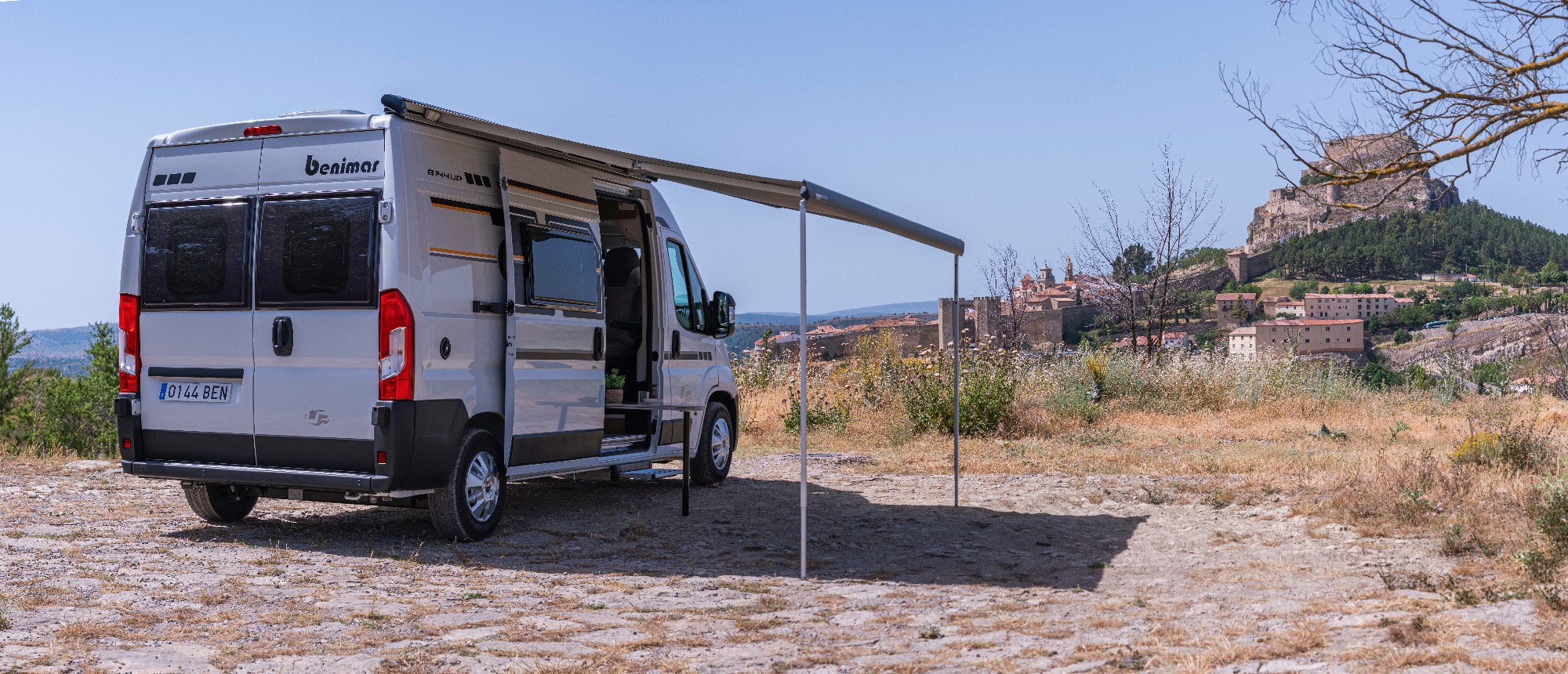
The 2026 solar eclipse offers a unique opportunity to combine astronomy, nature and caravanning. Travelling in a motorhomeBenimar It allows you to plan a personalised route, discover new landscapes and look forward to the eclipse whilst enjoying the comfort of having your home with you.
Astrocaravaning encourages you to approach this event with respect, curiosity and responsibility. On board a Benimar, every stage is part of the experience. Because the journey doesn’t end when you reach your destination. It’s also in the landscape, in the people and in everything that happens when we look up at the sky.