

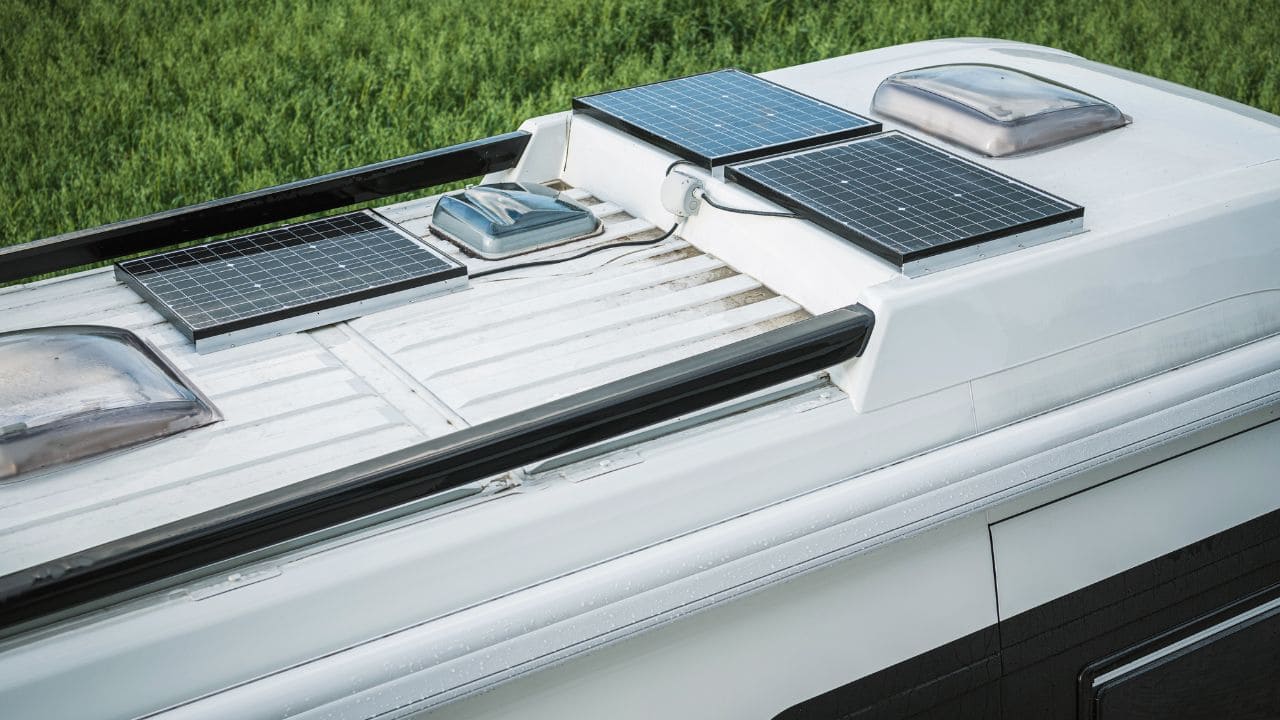
Solar panels for motorhomes You're about to increase the fun of your trip with a series of outdoor activities that will have you jumping out of your camper or van bed every morning. So get your adventure compass ready, because the road is about to get a whole lot more exciting. Let's get out there!
Why install solar panels on your motorhome?
Having a solar system on your motorhome allows you to travel without worrying about running out of electricity. Some of its main advantages are:
- Total self-sufficiency: you won't have to rely on plugs at campsites.
- Clean, free energy: you only need sunshine to generate electricity.
- Long-term savings: although the initial investment may be high, it pays for itself over time.
- Quiet and environmentally friendly: the panels do not make any noise or pollute.
If you like to travel to remote places or go on long trips, solar panels are almost essential.
Types of solar panels: rigid, flexible and portable
There are three main types of solar panels for motorhomes, each with its own characteristics:
1. Rigid solar panels
These are the most common and offer the best performance. They are installed on the motorhome’s roof and have an aluminium structure with a glass cover.
Advantages: high efficiency, durability and weather resistance.
Disadvantages: They are heavy and require a fixed installation on the roof.
2. Flexible solar panels
They are lighter and thinner than rigid panels, and can be adapted to curved surfaces.
Advantages: less weight, easier installation and more discreet appearance.
Disadvantages: lower efficiency and less durable against impacts or extreme heat.
3. Portable solar panels
These panels are not installed on the ceiling, but can be deployed when needed. They are ideal for those looking for a flexible solution.
Advantages: you can place them where the sun shines best and store them when not in use.
Disadvantages: they do not generate energy while driving and take up space inside the motorhome.
Which one to choose?If you travel often and need constant self-sufficiency, rigid panels are the best option. If you prefer something lightweight and adaptable, flexible panels are an alternative. For those who only need that extra energy occasionally, portable panels may be the best choice.
Installation and maintenance of solar panels
Once you have chosen your panels, it’s time to install them correctly. At Benimar, we recommend these two options:
Step-by-step installation:
- You can purchase your motorhome with the panels already installed. For example, if you select a UP model or choose the optional Pack Delivery or Northautokapp packs.
- If you want to install it later, make an appointment with your nearest dealer and they will install it quickly and hassle-free.
Basic maintenance:
- Regular cleaning: dirt reduces the panel’s efficiency. Clean them with a damp cloth.
- Check cables and connections: ensure there is no corrosion or loose connections.
- Performance check: use a voltmeter to measure energy production from time to time.
If the panel stops charging properly, check for shadows, dust or a faulty battery.
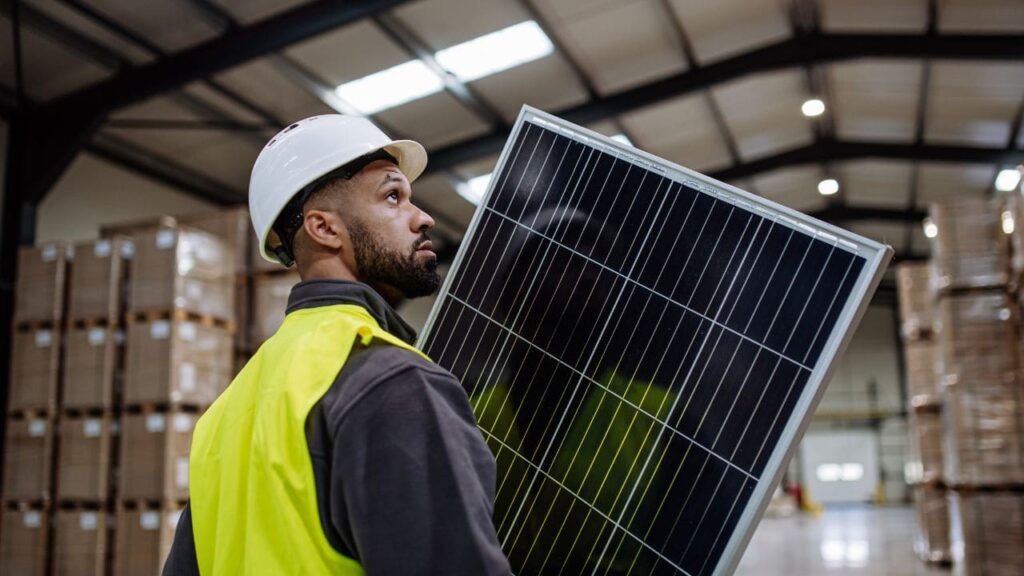
Which solar panel should you choose for your motorhome?
- If you want the best efficiency and durability,choose rigid solar panels.
- For a lighter and more flexible solution, flexible solar panels are ideal.
- If you are looking for something portable and without a fixed installation, portable solar panels may be the option for you.
Before purchasing, calculate your consumption carefully and choose the right power rating. With the right installation and good maintenance, solar panels will make your motorhome 100% self-sufficient.
Remember that at, Benimarwe offer the option of fitting our motorhomes with solar panels,guaranteeing an efficient, high-quality system for your trips.